Why Your Restaurant Instagram Isn't Getting Customers

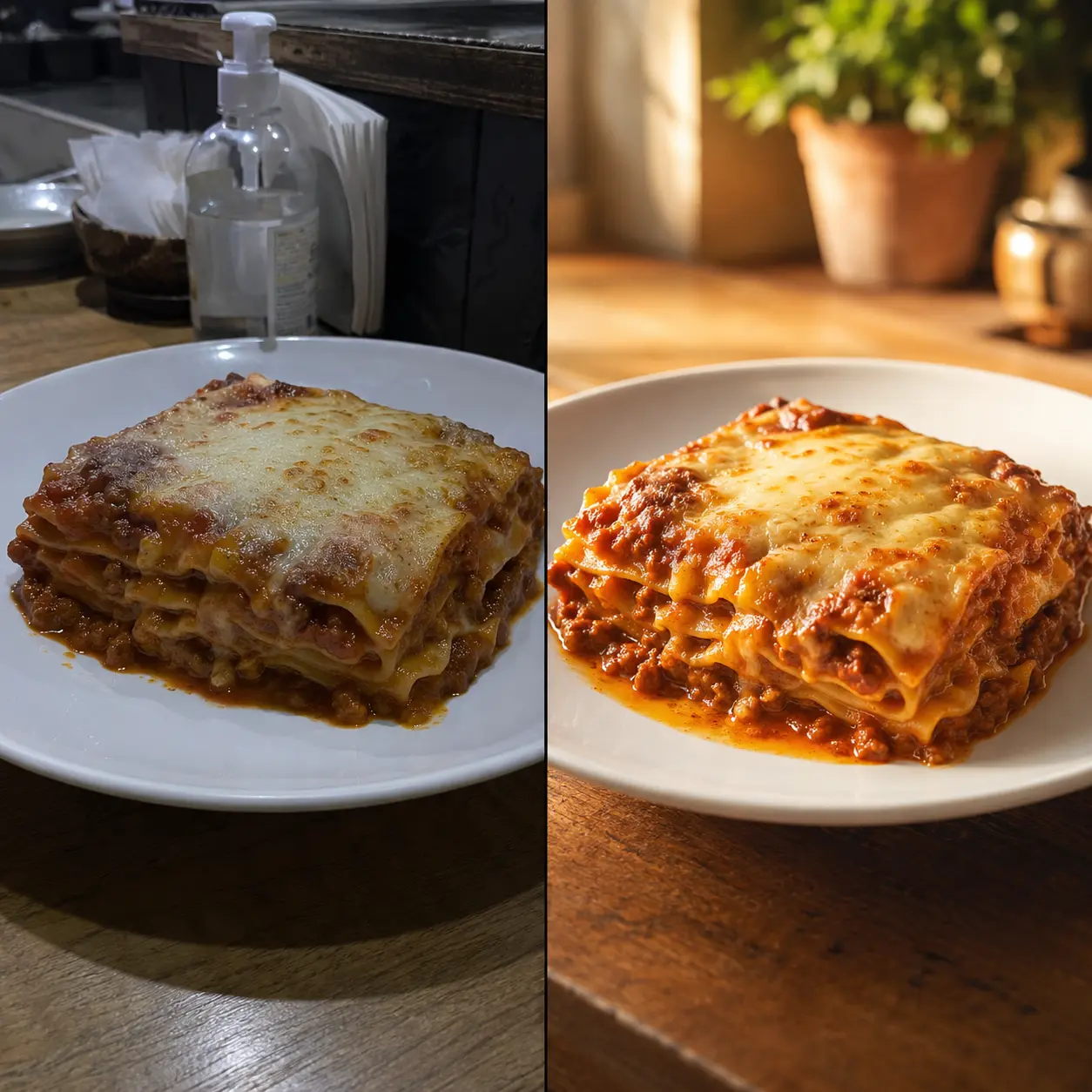
You posted the lasagna on Tuesday and the tiramisu on Friday, hashtags and all, exactly like you were told. Eleven likes, one of them from your cousin, and a dining room exactly as full as it was before you started. That specific frustration, doing everything right on your restaurant Instagram and watching it go nowhere, is what this post is about.
The Advice You've Already Tried (and Why It Didn't Work)
You've heard it all by now. Post consistently. Post at 6 p.m. when people are getting hungry. Use hashtags, but not too many. Reply to every comment within an hour. Go engage with other local accounts so they engage back. Maybe you even printed a content calendar and taped it up next to the ticket printer.
And you actually did it, which is more than most. Between the lunch rush and the produce order, you found the twenty minutes, because everyone insists Instagram for restaurants is free marketing and you'd be crazy to skip it. Weeks of that. Months, maybe. Still nothing.
Here's the part nobody says plainly: none of that advice matters if the photo doesn't stop the scroll. Not the posting schedule, not the hashtags, not the caption you rewrote four times while the pasta water boiled. Every one of those tactics only kicks in after someone stops on your post. If nobody stops, you're running a flawless dinner service in a restaurant with the lights off. The work is real; nobody can see it.
So the question isn't "why is my restaurant Instagram not getting customers even though I'm doing everything right?" The question is what happens in the half-second before anyone reads a single word you wrote.
What Actually Stops Someone From Scrolling
Instagram is not a reading app. It's a visual feed that people flick through with one thumb while waiting for coffee, sitting on the bus, lying in bed. Nobody is evaluating your posts. They're reacting to them, one photo at a time, in well under a second each.
In that half-second, the photo is the only thing that exists. If it stops the thumb, the caption gets read, the location gets tapped, the menu gets looked up, and maybe a table gets booked on Saturday. If it doesn't, everything attached to that photo evaporates. The clever caption is never seen. The hashtags carry a photo nobody wanted. The perfect posting time delivers it to people who scroll straight past.
And yes, the algorithm exists, but it mostly amplifies what people already stop for, which means the photo is still the one part of the machine you actually control. Chasing posting times while the photos stay the same is adjusting the thermostat in a house with no roof.
Here's a quick way to feel this for yourself. Open your own feed and scroll it like a stranger would, fast, thumb moving, no loyalty. Be honest about which of your posts would have stopped you if you didn't own the place. Most owners who try this go quiet for a second, because the answer is usually none of them, and suddenly the eleven likes make a painful kind of sense.
For food, "stopping the scroll" means something specific. A scroll-stopping food photo makes someone almost taste the dish: warm light, colors that look the way food looks when it's just left the pass, visible texture, a little steam or glisten, the sauce catching light instead of sinking into shadow. A skipped photo is the same dish gone flat and slightly grey, sitting somewhere between yellow and beige, where the eye can't even find the food right away. Same lasagna. Completely different result — and the difference usually comes down to how the photo was taken, not how good the dish is.
Why Restaurant Instagram Photos Almost Always Look Wrong
If your photos fall into that second category, it is not because your food isn't good and it is not because you lack some artistic gene. It's because you're shooting in the single worst photography environment there is: a working restaurant.
Start with the light. Your dining room and your kitchen are lit for eating and for working, not for photographing. Overhead fluorescents and mixed bulbs throw a yellow-green cast that turns a beautiful bolognese the color of mud. The light comes from directly above, so your own hand and phone cast a shadow across the plate the moment you lean in. Restaurants that look warm and inviting in person routinely photograph dim and dingy, because the camera doesn't experience the room the way a diner does.
Then the background. That plate is sitting on a stainless counter next to the ticket rail, a sanitizer bucket, a stack of to-go lids. Your eye filters all of that out. The camera doesn't. Half the "amateur" feeling in restaurant food photos on Instagram is not the food at all; it's the visual noise around it.
Then the angle. A burger shot from directly overhead loses its height and looks like a bun on a plate. A pizza shot from the side is a beige stripe. Deep bowls hide everything below the rim. Every dish has an angle that flatters it, and nobody ever taught you which is which, because that was never supposed to be your job.
And underneath all of it, the phone itself. Phone cameras are tuned for faces in daylight, not for dark, saturated food under warm indoor bulbs. Reds go muddy, browns go grey, and the software quietly "corrects" your dish into something duller than what left your kitchen.
Add it all up and the deck is stacked. In person, a diner gets the aroma, the steam, the sound of the room, the plate arriving hot. On a screen, all of that has to be carried by light and color alone, and your light and color are working against you from the first frame.
So the gap you keep noticing, where the food looks incredible in person and lifeless on your feed, is real. The dish is telling the truth. The photo is lying about it. And you can't fix a lighting problem with a hashtag. It's the same reason restaurants with great food still struggle to get noticed online — the screen version of your restaurant isn't showing what you actually deliver.
The Standard Fix and Why Most Owners Can't Actually Do It
The textbook answer is professional food photography, and to be fair, it works. A pro shows up with lighting, styles each plate, and hands you photos that genuinely stop the scroll.
Now the fine print. A good food shoot runs several hundred dollars for a few hours, and agencies that handle it ongoing charge $800 to $1,500 a month. The shoot has to happen when your kitchen can plate dish after dish for the camera, which means burning prime prep hours or paying staff to come in on a dark day.
And even if you swallow all of that, there's the problem nobody mentions: Instagram eats content. A quarterly shoot gives you twenty beautiful photos that are stale by week six, while your specials change weekly and the feed needs to keep moving. Professional photography was built for menus and websites, things you update once a year. It was never built for a channel that demands something new every few days from a person who is also running the pass, doing payroll, and fixing the walk-in.
So most owners quietly drop it, and they're not wrong to. The standard fix doesn't fit the actual life of someone running a restaurant.
What Owners Who Figure This Out Actually Do
The owners getting real results from Instagram didn't become photographers and didn't find room in the budget for one. They kept doing exactly what you're doing, snapping a quick phone photo before the plate goes out, and changed what happens next.
That next step is a tool like Feedtray. You upload the photo you just took, click once, and in about 30 seconds the lighting is fixed, the colors look the way the dish looks in person, and the cluttered background is gone. It's your actual photo of your actual food, enhanced, not some AI-generated fake dish that your regulars would clock in two seconds and never trust again. There's nothing to learn and no setup, which matters when the person doing the marketing is also the person expediting on Friday night. It was built for exactly that person. You can see how it works in under a minute with a photo from your own kitchen.
That's the whole shift. Same phone, same two minutes between tasks, but now the photo does its one job: it stops the thumb, and everything else you were already doing finally gets a chance to work.
Instagram works for restaurants; it's filling tables for places no better than yours, in towns just like yours. The owners getting those results aren't posting more than you or decoding some secret. They solved the photo problem first, and every tactic they'd already tried started paying off. For more restaurant marketing tips, start with the photo — everything else follows.